


IN A RIDESHARE ACCIDENT?
If you were injured in an accident while a passenger in a rideshare (like Uber or Lyft), you may be entitled to compensation.

Rideshare accident lawyer in oc
Uber and Lyft have changed how people get around Orange County, but they’ve also made accident claims more complicated. When a rideshare vehicle is involved in a crash, there may be several insurance policies in play, and which one applies depends on details most people never think about, like whether the driver had the app turned on and whether a passenger was in the car. If you were hurt as a passenger, another driver, a pedestrian, or a cyclist, the experienced attorneys at Beckerman Anderson can help you understand your rights and pursue the compensation you deserve.
Schedule a Free Consultation
A Team Based on Trust and Communication

WHETHER THE APP WAS ON MATTERS
California law ties a rideshare driver’s insurance coverage to their status on the app. When the driver is logged in and waiting for a ride request, the rideshare company’s insurance must provide at least $50,000 per person and $100,000 per incident for injuries, plus $200,000 in excess coverage. Once the driver accepts a ride, and through the end of the trip, coverage rises to $1 million. If the driver was logged off, only their personal auto policy applies, and many personal policies exclude accidents that happen while someone is driving for hire. Insurers often dispute exactly when the app was on, so preserving trip data and other evidence quickly can make a major difference in your case.

rideshare companies try to avoid liability
Uber and Lyft treat their drivers as independent contractors, not employees, which makes it harder to hold the companies directly responsible for a driver’s mistakes. In most cases, compensation comes through the insurance policies the companies are required to carry rather than a lawsuit against the company itself. The companies’ terms of service may also include arbitration clauses that affect how certain claims are handled. An attorney can sort out which policies apply, who is responsible, and the best path forward.

new limits on uninsured motorist coverage
If another driver causes the crash and has no insurance, or not enough, rideshare passengers have historically been able to rely on the rideshare company’s uninsured and underinsured motorist coverage. A new California law, SB 371, cut that required coverage from $1 million to $60,000 per person and $300,000 per accident, effective January 1, 2026. For seriously injured passengers, that coverage may not be enough to pay for all their losses, so it’s more important than ever to identify every available source of compensation, including your own auto policy.
who can make a claim?
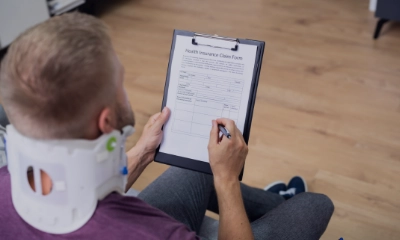
Rideshare accidents don’t only injure passengers. Drivers who spend long hours on the road, follow GPS directions, and watch for ride requests can be distracted or fatigued, putting other drivers, pedestrians, and cyclists at risk. If a rideshare driver caused your accident, you may be able to recover from the rideshare insurance as well as the driver’s own policy. If you were driving for Uber or Lyft yourself when you were hurt, different rules and coverage may apply to your claim.
Can I sue Uber or Lyft after an accident?
Sometimes, but it’s usually not the main route to compensation. Because rideshare drivers are classified as independent contractors, the companies are generally not directly liable for a driver’s negligence. Instead, most claims are paid through the insurance coverage the companies are required to carry. In some situations, such as when the company itself was negligent, a direct claim may be possible. An attorney can review the facts of your case.
What if the rideshare driver wasn’t carrying a passenger when the crash happened?
Coverage depends on what the driver was doing on the app. If they were logged in and waiting for a ride, the rideshare company’s lower tier of coverage applies. If they had accepted a ride and were on the way to pick someone up, the $1 million policy applies. If the app was off, only the driver’s personal insurance applies. Determining the driver’s app status is one of the first steps in any rideshare claim.
What if I was a passenger and another driver caused the accident?
You can file a claim against the at-fault driver’s insurance. If that driver is uninsured or doesn’t have enough coverage, the rideshare company’s uninsured/underinsured motorist coverage may help, though for accidents on or after January 1, 2026, that coverage is limited to $60,000 per person. Your own auto policy may also provide uninsured motorist coverage, even though you weren’t driving.
I drive for Uber or Lyft and was injured on the job. What are my options?
Under California’s Proposition 22, rideshare drivers are independent contractors, so they generally aren’t covered by workers’ compensation. However, rideshare companies must provide occupational accident insurance that can cover medical expenses and lost income for injuries suffered while you’re online. If another driver caused the crash, you may also be able to bring a claim against that driver.
How long do I have to file a rideshare accident claim in California?
In most cases, you have two years from the date of the accident to file a personal injury lawsuit in California. Some claims have shorter deadlines, especially those involving a government agency, so it’s important to speak with a lawyer as soon as possible.
What should I do after a rideshare accident?
Call 911 if anyone is hurt, and get medical attention even if you feel fine. Take screenshots of your trip in the app, along with the driver’s name and vehicle details. Photograph the scene and the vehicles, get contact information from witnesses, and report the accident through the rideshare app. Don’t give a recorded statement to any insurance company before speaking with an attorney.